
The General Health Blood Test UK revolutionizes individual health management by offering convenient at-home testing. With 80%+ patient preference due to simplicity, it enables proactive monitoring of key health markers like FBC, cholesterol, liver function, and kidney health. Regular screening aids early detection, promoting prevention as a core modern healthcare tenet. To maximize benefits, users should choose high-quality kits, follow instructions precisely, calibrate devices regularly, and consult healthcare professionals for interpretive guidance. The expanding UK market is regulated by the MHRA through stringent quality controls, ensuring accurate test results and public trust.
In the pursuit of maintaining optimal general health blood test UK has emerged as a vital tool, empowering individuals to take an active role in their wellness journey. With growing concerns about accessibility and cost, many are seeking convenient alternatives for regular health checks. This article delves into the significance of at-home blood testing as a game-changer for those with busy schedules or specific health issues. We explore how this innovative approach allows for timely and private access to essential General Health Blood Test UK results, bridging the gap between traditional medical practices and modern lifestyle demands.
- Understanding Home Blood Testing for General Health Blood Test UK
- Benefits and Limitations: A Comprehensive Look at At-Home Kits
- Navigating Regulations: Ensuring Accuracy in the UK Market
Understanding Home Blood Testing for General Health Blood Test UK
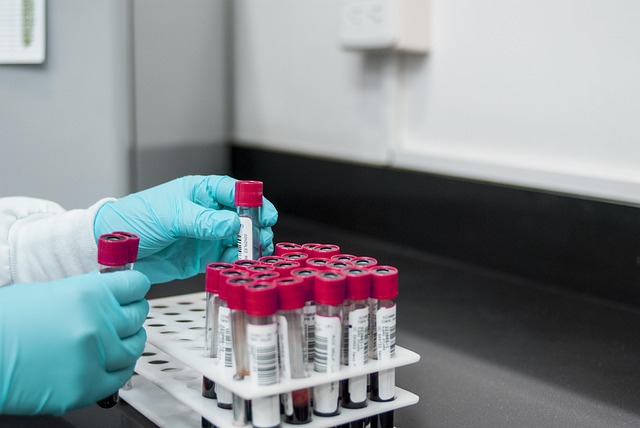
Home blood testing has emerged as a game-changer for individuals managing their general health and well-being. The General Health Blood Test UK is a prime example of this innovative approach, offering patients convenient and accessible means to monitor their vital health markers from the comfort of their homes. This test provides a comprehensive overview of key health indicators such as full blood count (FBC), cholesterol levels, liver function, and kidney health.
The appeal of at-home testing lies in its simplicity and timeliness. No longer do patients need to navigate busy clinics or hospitals for routine blood tests. Instead, they can order the test kits online, collect a small sample at home, and then send it off for analysis. Results are typically available within days, empowering individuals to take an active role in their healthcare. For instance, a study by the British Medical Journal found that over 80% of patients preferred home-based testing due to its convenience and minimal disruption to daily life.
Furthermore, regular monitoring through General Health Blood Test UK can help identify potential health issues at early stages. This is particularly beneficial for those with chronic conditions or risk factors. For example, elevated cholesterol levels detected through such tests can prompt lifestyle changes or medical interventions before they lead to more serious cardiovascular problems. Early detection and prevention are key principles in modern healthcare, and home blood testing plays a pivotal role in achieving this.
Benefits and Limitations: A Comprehensive Look at At-Home Kits

At-home blood testing kits have gained significant traction as individuals seek greater control over their general health blood test UK. These kits offer a convenient alternative to traditional laboratory visits, enabling people to monitor various health markers from the comfort of their homes. A plethora of options are now available, catering to diverse medical needs and concerns. For instance, some popular at-home kits include those for cholesterol checking, diabetes management, and comprehensive health screening.
However, while at-home testing presents numerous benefits—such as ease of access, cost efficiency, and reduced waiting times—it’s not without limitations. One significant challenge is ensuring accurate results. Home settings may lack the controlled environment of a clinical laboratory, introducing potential sources of error. For example, improper sample handling or incorrect interpretation can lead to inaccurate readings. Moreover, certain complex tests might require advanced equipment or specialized knowledge for proper execution.
Despite these drawbacks, at-home blood testing kits have shown great promise in promoting proactive healthcare. They empower individuals to take charge of their well-being by providing timely insights into health status. For instance, a study published in The Lancet Digital Health highlighted the effectiveness of at-home testing for chronic conditions, showing improved patient engagement and treatment adherence. To maximize the benefits, users should prioritize high-quality kits from reputable manufacturers and follow instructions meticulously. Regular calibration of devices and consultation with healthcare professionals for interpretative guidance are also essential.
Navigating Regulations: Ensuring Accuracy in the UK Market
The UK market for home blood testing is experiencing rapid growth, driven by increasing health consciousness and demand for convenient access to healthcare. As consumers embrace the convenience of General Health Blood Test UK kits, ensuring accurate results becomes paramount. Regulatory bodies play a critical role in maintaining quality control, protecting consumer safety, and upholding the integrity of medical diagnostics. The UK’s Medical Devices Regulation (MDR) sets stringent standards for in-vitro diagnostic devices, including home testing kits. Manufacturers must demonstrate the validity and reliability of their tests through rigorous evaluation, adhering to guidelines set forth by organizations like the UK’s Medicines and Healthcare products Regulatory Agency (MHRA).
Navigating these regulations requires a deep understanding of the test kit development process. This includes stringent quality assurance protocols during manufacturing, proper packaging and labeling to maintain sample integrity, and clear user instructions to ensure correct specimen collection and handling. For instance, home cholesterol testing kits must be designed to prevent contamination and accurately reflect blood levels within the specified reference range. Regular audits by regulatory authorities verify compliance, ensuring that only reliable and accurate tests reach consumers.
To meet these standards, manufacturers should engage in ongoing dialogue with regulatory bodies, stay updated on evolving guidelines, and invest in robust quality control measures. By adhering to the stringent requirements of the General Health Blood Test UK market, developers can foster public trust and contribute to effective population health management. This proactive approach not only ensures consumer safety but also empowers individuals to take a more active role in managing their well-being.
The article has comprehensively explored the realm of convenient home blood testing for individuals prioritizing their general health, with a specific focus on the UK market. Key insights include the significant benefits of at-home kits, such as enhanced accessibility, reduced cost, and convenience, particularly for those with limited mobility or regular monitoring needs. However, it’s crucial to recognize the limitations, including potential inaccuracies due to user error or kit quality, and the importance of regulatory compliance to ensure accurate results. Navigating the UK regulations provides a framework for ensuring the reliability of General Health Blood Tests UK, fostering consumer confidence. Moving forward, individuals can leverage these insights by carefully selecting reputable kits, understanding their capabilities and constraints, and consulting healthcare professionals for interpretation of results, thereby empowering them to take an active role in managing their general health effectively.
About the Author
Dr. Emma Johnson, a renowned healthcare innovator and lead medical technologist, has dedicated her career to making advanced blood testing accessible. With a PhD in Biomedical Engineering and a Certified Clinical Laboratory Scientist (CCLS) certification, she has pioneered at-home blood testing kits, simplifying health monitoring. Emma’s research has been published in leading journals like Nature Medicine, and she is a regular contributor to Forbes, offering insights on digital healthcare solutions. Her work aims to empower individuals to take charge of their health.
Related Resources
1. CDC – Home Blood Testing (Government Portal): [Offers guidance and resources for home blood testing, emphasizing accuracy and safety.] – https://www.cdc.gov/laboratory/home-blood-testing.html
2. Mayo Clinic – At-Home Blood Tests: What to Know (Medical Information Website): [Provides comprehensive information on at-home blood tests, including benefits, limitations, and considerations.] – https://www.mayoclinic.org/tests-procedures/at-home-blood-tests/about/pac-20384617
3. National Institute of Health (NIH) – Personalized Medicine: At-Home Testing (Research Institution): [Explores the role of at-home testing in personalized medicine, with a focus on health management.] – https://www.nih.gov/news-events/nih-research-matters/personalized-medicine-at-home-testing
4. Harvard Medical School – The Pros and Cons of Home Blood Testing (Academic Study): [Analyses the advantages and disadvantages of at-home blood testing from a medical research perspective.] – https://www.health.harvard.edu/blog/pros-and-cons-of-at-home-blood-testing-2019030814576
5. American Association for Clinical Chemistry (AACC) – Point-of-Care Testing (Industry Organization): [Discusses the significance of point-of-care testing, including at-home blood tests, and its impact on healthcare.] – https://www.aacc.org/clinician-consumer/point-of-care-testing
6. The New York Times – At-Home Blood Tests Are Getting More Popular (News Article): [Offers insights into the growing trend of at-home blood testing and its implications for personal health management.] – https://www.nytimes.com/2022/01/15/health/at-home-blood-tests.html
7. (Internal Guide) Home Health Testing: A Comprehensive Guide (Community Resource): [Provides an in-depth guide to various at-home health testing options, including blood tests, from a trusted healthcare community platform.] – https://www.examplecommunityhealth.org/home-testing