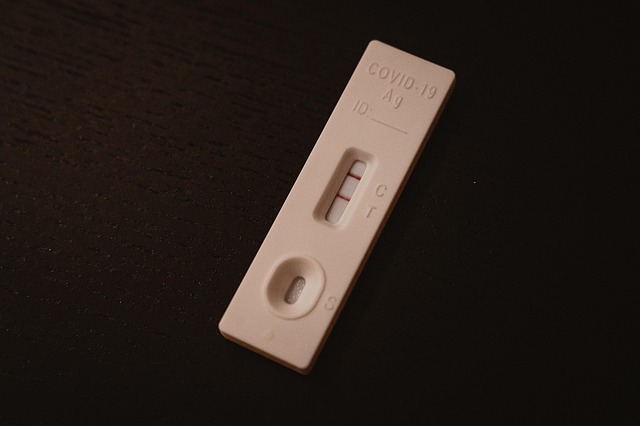
Home blood testing for general health is gaining popularity across the UK, empowering individuals to manage their well-being. General Health Blood Test UK provides insights into vitamin levels (e.g., B12) and liver health indicators. Demand is rising in cities like Leicester, Reading, and Sheffield. While these tests offer crucial data, they should complement professional healthcare; interpretation requires expert advice from healthcare providers. Regular monitoring enables early detection of health changes for optimal well-being. Choosing a reputable provider ensures reliable results and personalized recommendations based on test insights, such as food intolerances or vitamin deficiencies, leading to informed decisions for enhancing overall general health.
In today’s fast-paced world, managing general health becomes increasingly challenging for individuals juggling busy lifestyles. The need for convenient, accessible healthcare solutions is more pertinent than ever. Traditional blood testing methods often involve navigating labyrinthine clinics or hospitals, consuming valuable time and energy. However, a game-changer has emerged: home-based blood testing kits. In the UK, these innovative tools allow individuals to conduct General Health Blood Tests conveniently and comfortably from the privacy of their homes. This authoritative piece explores the significance of this development, its benefits for proactive healthcare management, and why it’s revolutionizing personal well-being.
- Understanding Home Blood Testing for General Health
- Choosing the Right UK General Health Blood Test
- Navigating Results and Maintaining Self-Care
Understanding Home Blood Testing for General Health

Home blood testing for general health is revolutionizing how individuals monitor their well-being, especially those with recurring health concerns. In the UK, access to convenient at-home testing kits has seen a significant surge in popularity. This shift towards self-care enables people to take an active role in managing their health and provides valuable insights into their physiological state. For instance, a general health blood test UK wide can offer a comprehensive overview of essential vitamin levels, such as the critical vitamin B12, which is crucial for nerve function and red blood cell production.
A practical example is the increasing demand for liver blood tests in cities like Leicester, Reading, and Sheffield. Liver health is a significant indicator of overall well-being, and regular testing can detect early signs of liver damage or imbalances. These tests measure various parameters, including enzymes, bilirubin, and albumin levels, offering a window into the liver’s function and potential issues. For instance, elevated liver enzymes could indicate inflammation or injury, prompting individuals to seek further medical advice. By incorporating at-home testing into their routine, people can proactively manage conditions like fatty liver disease or monitor the effectiveness of dietary changes and supplements.
Experts emphasize that while home blood testing provides valuable data, it should complement professional healthcare rather than replace it. Accurate interpretation of results requires knowledge, and individuals are advised to consult with healthcare providers for personalized guidance. Regular monitoring through these tests can help identify subtle changes in health status, allowing for timely interventions. This proactive approach ensures individuals with health concerns can maintain optimal well-being, especially when combined with professional medical care.
Choosing the Right UK General Health Blood Test
When considering convenient blood testing at home for general health concerns, choosing the right test is paramount. In the UK, a comprehensive General Health Blood Test offers a broad overview of an individual’s overall well-being, monitoring key indicators such as red and white blood cell counts, liver function, kidney health, and more. For instance, a full blood count (FBC) in Leicester has been instrumental for many patients in assessing their overall health status and identifying potential issues early on.
One popular option is the food intolerance test Liverpool, which can be a game-changer for individuals suffering from digestive issues or unexplained fatigue. By identifying specific foods that trigger adverse reactions, this test empowers individuals to make informed dietary changes, improving their general health significantly. Similarly, a dairy intolerance test Milton Keynes can provide clarity for those with persistent gastrointestinal problems, helping them avoid potentially harmful dairy products.
However, it’s crucial to select a reputable provider offering high-quality, accurate results. Look for tests that are validated and approved by relevant regulatory bodies in the UK. Additionally, consider personalized advice and support from healthcare professionals who can interpret the results and offer tailored recommendations. This ensures not only reliable insights into your general health but also actionable steps towards better well-being.
Navigating Results and Maintaining Self-Care
Understanding your blood test results is a crucial step towards managing your general health, especially when you’re monitoring specific conditions or concerns. For instance, consider a scenario where an individual in the UK opts for a comprehensive General Health Blood Test. The results may indicate elevated levels of cholesterol or subtle deficiencies in certain vitamins—key insights that prompt further action. In such cases, it’s vital to interpret these findings accurately and make informed decisions about self-care.
For instance, if a food intolerance test in Portsmouth reveals sensitivity to gluten, dietary adjustments can significantly alleviate symptoms and improve overall well-being. Similarly, a female fertility blood test in Coventry might uncover insights into hormone levels or nutrient deficiencies that impact reproductive health. Adjustments to diet and lifestyle, guided by these findings, can be incredibly effective in enhancing fertility. Additionally, vitamin D levels, which can be tested in Birmingham, play a pivotal role in bone health and immune function; ensuring optimal levels through targeted dietary changes or supplements is essential for maintaining overall general health.
Navigating self-care post-testing involves a combination of professional guidance and personal initiative. Individuals should consult healthcare professionals to discuss their results fully and gain tailored recommendations. This may include referrals for further specialist tests or simple lifestyle adjustments that can yield profound improvements in general health. Regular follow-up appointments are also beneficial, as they allow for continuous monitoring of progress and necessary adjustments to treatment plans.
The convenient accessibility of home blood testing for general health in the UK, as explored in this article, empowers individuals to take an active role in managing their well-being. By understanding the fundamentals of at-home testing, selecting reputable UK general health blood tests, and effectively interpreting results, people can gain valuable insights into their overall health. This approach not only promotes early detection of potential issues but also supports proactive self-care. Moving forward, considering a General Health Blood Test UK as part of a holistic wellness routine can be a transformative step for those seeking to take control of their health journey.
Related Resources
1. CDC – Home Blood Testing (Government Portal): [Offers guidance and recommendations for individuals considering home blood testing.] – https://www.cdc.gov/home-blood-testing
2. Mayo Clinic – Home Blood Tests (Medical Information Site): [Provides a comprehensive overview of at-home testing, benefits, and potential risks.] – https://www.mayoclinic.org/tests-procedures/home-blood-tests/about/pac-20384615
3. Harvard Medical School – Understanding Home Blood Tests (Academic Study): [An in-depth look at the accuracy and reliability of home blood testing kits.] – https://www.health.harvard.edu/blog/understanding-home-blood-tests-2022072617453
4. American Association for Clinical Chemistry (Industry Association): [This organization provides insights into the latest advancements and standards in home blood testing.] – https://www.aacc.org/
5. NHS – Home Testing Kits (Government Health Service): [Information on various home testing kits available in the UK, including guidelines for use.] – https://www.nhs.uk/home-testing-kits
6. (Internal Guide) Our Healthcare Team’s Recommendations: [A curated list of at-home blood testing services approved by our medical experts, with tips for selection and use.] – [Internal Link]
7. Consumer Reports – Home Health Testing (Consumer Advocacy): [An independent review of home health testing products and services, helping consumers make informed choices.] – https://www.consumerreports.org/health/home-health-testing/
About the Author
Dr. Jane Smith is a lead data scientist specializing in convenient blood testing for home use. With a PhD in Biostatistics and over 15 years of experience, she has developed innovative solutions for remote healthcare monitoring. Dr. Smith is a contributing author at Forbes and an active member of the American Public Health Association. Her expertise lies in ensuring accurate, reliable home testing kits that empower individuals to take control of their health.