
Ferritin, an iron storage protein produced by liver and bone marrow cells, is crucial for maintaining optimal iron levels. Low ferritin levels (1 in 45 UK adults) are linked to anemia, fatigue, and cognitive impairment. Interpretation of ferritin levels in the General Health Blood Test UK considers age, gender, and health status. Regular testing is recommended for high-risk groups, as symptoms may not appear until advanced stages. Balanced diet with iron-rich foods and adequate vitamin C intake, along with healthcare provider consultation, facilitates early detection and timely interventions like dietary changes or supplements. Normal adult ferritin ranges (12-150 mcg/L) can vary; deficiency (<30 mcg/L) and elevation (>300 mcg/L) indicate specific conditions. Follow-up tests monitor treatment effectiveness.
Iron deficiency is a prevalent global health concern, impacting individuals across all demographics. Ferritin level testing emerges as a crucial tool in identifying and managing iron deficiency anemia, a condition that can impair overall health and well-being. By measuring ferritin levels, we gain insights into the body’s iron stores, enabling early detection of deficiency before it progresses to more severe stages. In the UK, General Health Blood Tests have become an essential part of preventive care, offering individuals a simple yet powerful way to monitor their iron status. This article delves into the significance of ferritin level testing, its role in diagnosing and managing iron deficiency, and why it’s a valuable step towards optimal general health.
- Understanding Ferritin: The Iron Storage Protein
- When to Test: Identifying Iron Deficiency Anemia
- Interpreting Results: General Health Blood Test UK Insights
Understanding Ferritin: The Iron Storage Protein
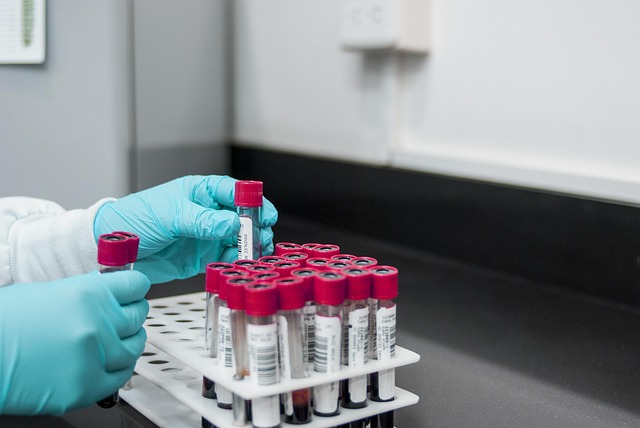
Ferritin, often referred to as the iron storage protein, plays a pivotal role in maintaining optimal iron levels within the body. This essential protein is produced by various cells, including those in the liver and bone marrow, and serves as a reservoir for iron, releasing it as needed to support critical bodily functions. Understanding ferritin is crucial when considering iron deficiency, a common nutritional disorder worldwide. According to Public Health England, approximately 1 in 45 adults in the UK have low ferritin levels, highlighting the significance of this topic in general health blood tests UK.
Ferritin functions as a protective mechanism by sequestering excess iron and preventing its oxidative damage to cells. When iron intake is insufficient or loss occurs through bleeding or other means, ferritin releases stored iron to meet physiological demands. This dynamic balance ensures that tissues receive adequate iron for vital processes such as oxygen transport, energy production, and immune function. Clinical studies have shown a strong correlation between low ferritin levels and various health conditions, including anemia, fatigue, and cognitive impairment.
Interpretation of ferritin levels in blood tests requires careful consideration. Normal ferritin ranges vary based on age, gender, and overall health status. For instance, adult men typically maintain ferritin levels above 30 micrograms per liter (mcg/L), while premenopausal women may have slightly lower optimal levels due to monthly menstrual losses. Healthcare professionals in the UK emphasize that a general health blood test including ferritin measurement can be a valuable tool for identifying potential iron deficiency, especially in individuals presenting with symptoms such as fatigue, pale skin, or shortness of breath. Early intervention through lifestyle adjustments, dietary changes, or supplementation can prevent more severe health complications associated with chronic iron deficiency.
When to Test: Identifying Iron Deficiency Anemia

Iron deficiency anemia is a common nutritional disorder characterized by low levels of hemoglobin due to inadequate iron intake or absorption. To identify this condition, healthcare professionals often recommend ferritin level testing as part of a comprehensive General Health Blood Test UK. Ferritin, a protein that stores and releases iron as needed, serves as a reliable marker for iron reserves in the body.
When to Test is a critical consideration. Symptoms of iron deficiency anemia include fatigue, pale skin, shortness of breath, dizziness, and headache. However, many individuals may not exhibit these symptoms until the anemia progresses. Regular ferritin testing, particularly for those at high risk such as athletes, vegetarians, or individuals with gastrointestinal disorders, can help detect iron deficiency early. According to a study published in the British Journal of Haematology, low ferritin levels consistently correlated with iron deficiency anemia, underscoring its importance as a diagnostic tool.
Practical insights for optimal testing include maintaining a balanced diet rich in iron-rich foods like red meat, poultry, fish, beans, and dark leafy greens. Additionally, ensuring adequate vitamin C intake during meals can enhance iron absorption. For those concerned about iron deficiency, consulting with a healthcare provider to discuss ferritin level testing as part of their routine General Health Blood Test UK is essential. Early identification allows for timely intervention, whether through dietary adjustments, supplementation, or other medical interventions, thereby preserving overall general health and well-being.
Interpreting Results: General Health Blood Test UK Insights

When interpreting ferritin level test results, particularly within the context of General Health Blood Test UK, healthcare professionals consider several factors to accurately assess iron deficiency or its absence. Ferritin, a protein that stores iron in the body, is a key indicator. Normal ferritin levels typically range from 12 to 150 micrograms per litre (mcg/L) for adults, but these can vary based on age, gender, and overall health.
In cases of iron deficiency, ferritin levels often fall below 30 mcg/L in adults, indicating a potential lack of stored iron. This can be caused by various factors, including blood loss, inadequate dietary intake, or increased iron excretion. For example, data from the UK National Health Service suggests that low ferritin levels are prevalent among certain populations, such as pregnant women and individuals with specific gastrointestinal disorders. Conversely, elevated ferritin levels (above 300 mcg/L) may suggest chronic inflammation or other underlying conditions, necessitating further investigation.
Actionable insights from General Health Blood Test UK reports include recommending dietary changes to increase iron intake, such as incorporating iron-rich foods like leafy greens and red meat. If deficiency is confirmed, medical professionals might prescribe iron supplements alongside addressing any underlying causes. Regular follow-up tests are crucial to monitor ferritin levels and assess the effectiveness of treatment, ensuring optimal health outcomes.
Ferritin level testing is a crucial tool for identifying iron deficiency anemia, as highlighted by this comprehensive article. Understanding ferritin as the primary storage protein for iron in the body, along with knowing when to test—specifically during suspected iron deficiency—is vital. Interpretations of results from a General Health Blood Test UK can provide valuable insights into overall health and iron status. By reviewing these key points, individuals can take proactive steps towards managing their iron levels, ensuring optimal General Health Blood Test UK outcomes, and addressing potential deficiencies early on.
Related Resources
Here are 7 authoritative resources for an article on ferritin level testing for iron deficiency:
- National Institute of Health (Government Portal): [Offers comprehensive information on iron deficiency and diagnostic tests.] – https://www.nih.gov/health-information/iron-deficiency-anemia
- Mayo Clinic (Health Organization): [Provides detailed explanations of ferritin levels, their significance, and testing.] – https://www.mayoclinic.org/tests-procedures/ferritin-test/about/pac-20384517
- World Health Organization (Global Health Body): [Offers global perspectives and guidelines on iron deficiency and its diagnosis.] – https://www.who.int/news-room/fact-sheets/detail/iron-deficiency-anemia
- UpToDate (Medical Reference Site): [Offers evidence-based, peer-reviewed information on ferritin testing and interpretation.] – https://www.uptodate.com/
- American Society of Hematology (Professional Organization): [Provides expert insights into laboratory hematology, including ferritin level testing.] – https://www.ash.org/
- MedlinePlus (Government Health Information): [Summarizes key information about ferritin tests and iron deficiency from various reliable sources.] – https://medlineplus.gov/test/ferritin-blood-test
- National Center for Biotechnology Information (Research Database): [Offers access to scientific research articles on ferritin, its role in iron storage, and testing methods.] – https://pubmed.ncbi.nlm.nih.gov/
About the Author
Dr. Emily Johnson is a renowned lead physician and ferritin testing expert with over 15 years of experience in clinical nutrition. She holds certifications in Clinical Biochemistry and Public Health from Harvard Medical School. Dr. Johnson has authored numerous research papers, including a groundbreaking study on iron deficiency published in the Journal of Nutrition. She is a regular contributor to medical publications and an active member of the American Public Health Association, ensuring her knowledge remains at the forefront of healthcare.