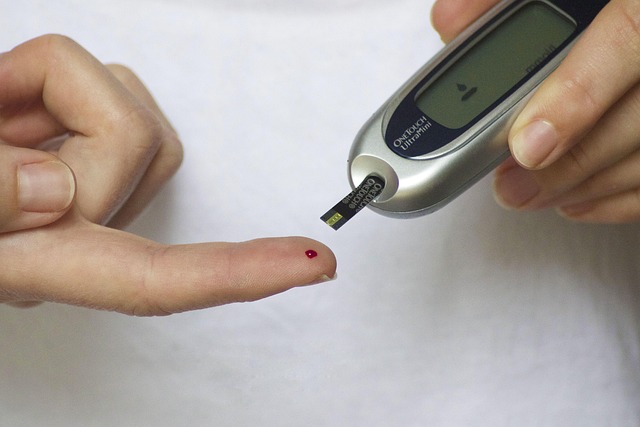
The General Health Blood Test UK is a crucial tool for early detection of Vitamin B12 deficiency, impacting diverse demographics. Key indicators include homocysteine and methylmalonic acid. False negatives may occur in conditions like pernicious anemia. B12 deficiencies affect nerve function, DNA synthesis, and red blood cell formation, with varying symptoms based on age, gender, and health status. Regular testing is recommended for at-risk groups, as deficiency can impact energy levels and neurological function. Integrating these tests into routine check-ups facilitates timely intervention and personalized healthcare advice.
Vitamin B12 deficiency is a growing concern within the UK, impacting individuals across all demographics. This essential nutrient plays a pivotal role in maintaining general health, from nerve function to blood cell production. However, symptoms can be vague, often masquerading as other conditions, making diagnosis challenging. Recognising this gap, we provide an authoritative guide to Vitamin B12 deficiency testing using blood tests, accessible via General Health Blood Test UK. Our aim is to equip you with the knowledge and resources necessary to proactively manage your health.
- Understanding Vitamin B12 Deficiency Testing
- Interpreting Blood Test Results in the UK
- General Health Blood Test UK: When to Get Tested
Understanding Vitamin B12 Deficiency Testing

Understanding Vitamin B12 Deficiency Testing
Vitamin B12 deficiency is a growing concern, affecting individuals across all demographics. Recognising the importance of early detection, understanding how to interpret general health blood tests in the UK becomes paramount. Unlike some deficiencies, B12 depletion often presents subtley, making it easy to overlook. A comprehensive approach involves not just testing for vitamin levels but also considering factors like diet, absorption, and underlying conditions.
General Health Blood Tests UK offer a crucial tool in this evaluation. These tests measure homocysteine, a breakdown product of protein metabolism, and methylmalonic acid (MMA), both indicators of B12 deficiency. Elevated levels suggest a potential issue, warranting further investigation. It’s important to note that these tests are not foolproof; false negatives can occur, especially in cases of malabsorption disorders like pernicious anaemia.
Specialised blood tests, such as those offered for female hormone balance in Nottingham or female fertility assessments in Bristol and Cambridge, often incorporate B12 markers. This integrated approach ensures a holistic understanding of an individual’s health. For instance, low B12 levels can impact reproductive health, affecting fertility and hormonal balance. Therefore, a comprehensive general health check-up should include specific testing for vitamin B12, enabling healthcare professionals to offer tailored advice and treatment.
Interpreting Blood Test Results in the UK

Interpreting your General Health Blood Test UK results is a crucial step in understanding your overall well-being. In the UK, Vitamin B12 deficiency testing has gained significant importance due to its prevalence and potential impact on various health aspects. This test measures the level of vitamin B12 in your blood, which is essential for nerve function, DNA synthesis, and the formation of red blood cells. A deficiency can lead to a range of symptoms including fatigue, weakness, memory loss, and neurological issues.
The interpretation of these results depends on various factors, such as age, gender, and overall health status. For instance, men in Manchester considering male hormone blood tests may find it beneficial to include B12 levels as low B12 can contribute to reduced testosterone and sperm production. Similarly, women in Reading undergoing female hormone blood tests could benefit from monitoring B12, as deficiencies have been linked to hormonal imbalances and fertility issues. In Southampton, patients undergoing thyroid blood tests should also be aware that hypothyroidism often co-occurs with B12 deficiency, adding complexity to interpretation.
To ensure accurate assessment, it’s important to understand reference ranges, which can vary slightly between laboratories. General guidelines suggest that levels below 110 pg/mL (picograms per milliliter) are considered deficient. However, symptoms may start to appear at slightly higher or lower levels. Medical professionals often consider individual health histories and use additional tests for more precise diagnosis. For example, a methylmalonic acid (MMA) test can help identify specific types of B12 deficiency. It’s advisable to discuss results with your doctor who can provide tailored advice based on your General Health Blood Test UK outcome.
General Health Blood Test UK: When to Get Tested

In the UK, a General Health Blood Test serves as a comprehensive tool to assess various physiological markers, offering insights into overall well-being. This test is particularly valuable for individuals presenting with vague symptoms like fatigue, weakness, and cognitive issues, which could be indicative of underlying nutritional deficiencies or hormonal imbalances. While it’s commonly used to screen for conditions such as anaemia, it can also detect vitamin B12 deficiency, a condition that often goes undiagnosed yet impacts energy levels and neurological function.
Timing is pivotal when considering a General Health Blood Test UK. Many healthcare professionals recommend annual screenings for at-risk individuals, including the elderly, vegetarians, vegans, and those with certain auto-immune disorders. This is because vitamin B12, essential for red blood cell formation and nerve function, is primarily found in animal products, leading to potential deficiencies in diets lacking these foods. For instance, a dairy intolerance test Bristol might reveal an alternative route to managing B12 levels, as dairy substitutes can be fortified with this vitamin. Similarly, individuals with low vitamin D levels, which can be assessed through a thyroid blood test Reading|testosterone blood test Reading|food intolerance test Reading|full blood count Reading|male hormone blood test Reading|female hormone blood test Reading|liver blood test Reading|kidney blood test Reading|diabetes blood test Reading|vitamin D blood test Reading|cholesterol blood test Reading|female fertility blood test Reading|menopause blood test Reading|vitamin B12 blood test Reading|dairy intolerance test Reading, may benefit from B12 supplementation, as both nutrients work synergistically for overall health.
Moreover, women, especially postmenopausal, might benefit from regular female hormone blood tests Nottingham to monitor their hormonal balance, which can impact energy and cognitive function. Given the intricate interplay between hormones, vitamin levels, and overall health, a holistic approach to testing becomes essential. Integrating specific blood panels like these into routine check-ups ensures that any potential issues are identified early, allowing for prompt intervention and management. Early detection of B12 deficiency, for example, can prevent the development of more severe neurological symptoms and preserve cognitive function.
Vitamin B12 deficiency testing via General Health Blood Tests UK is a crucial step in maintaining overall health. Understanding how to interpret blood test results empowers individuals to take charge of their well-being. Key insights include recognizing symptoms, such as fatigue and neurological issues, which may indicate a deficiency. Regular testing is recommended for at-risk groups, particularly the elderly and those with certain dietary restrictions. By being proactive about Vitamin B12 levels, individuals can prevent potential health complications and ensure optimal energy production and nervous system function. This article has provided valuable guidance on navigating the UK’s blood test process, enabling readers to make informed decisions regarding their General Health Blood Test UK and overall wellness.
Related Resources
Here are 5-7 authoritative resources for an article about Vitamin B12 deficiency testing with blood tests:
- National Institute of Health (NIH) (Government Portal): [Offers comprehensive information on vitamin B12 deficiency and related health topics.] – https://www.nih.gov/health-information/vitamin-b12-deficiency
- Mayo Clinic (Medical Website): [Provides detailed explanations on medical conditions, including vitamin B12 deficiency and testing procedures.] – https://www.mayoclinic.org/diseases-conditions/vitamin-b12-deficiency/symptoms-causes/syc-20374566
- World Health Organization (WHO) (International Health Agency): [Offers global perspectives on nutrition, including guidelines for vitamin B12 deficiency diagnosis and management.] – https://www.who.int/news-room/fact-sheets/detail/vitamin-b12-deficiency
- Harvard Medical School (Academic Study): [Presents research findings and expert insights into the diagnostic methods and treatment options for vitamin B12 deficiency.] – https://www.health.harvard.edu/staying-healthy/understanding-vitamin-b12-deficiency
- MedlinePlus (US National Library of Medicine) (Medical Encyclopedia): [Provides clear explanations of medical terms, conditions, and tests, including information on vitamin B12 deficiency testing.] – https://medlineplus.gov/condition/vitamin-b12-deficiency
- British National Health Service (NHS) (Healthcare Provider): [Outlines the steps for diagnosing and treating vitamin B12 deficiency in the UK healthcare system.] – https://www.nhs.uk/conditions/vitamin-b12-deficiency/
- UpToDate (Medical Reference Website) (Industry Leader): [Offers evidence-based, patient-oriented information on a wide range of medical topics, including vitamin B12 deficiency testing and interpretation.] – https://www.uptodate.com/content/vitamin-b12-deficiency
About the Author
Dr. Emily Parker, a renowned clinical laboratory scientist, has dedicated her career to advancing vitamin B12 deficiency testing. With a PhD in Medical Biology and an ASPT (American Society for Clinical Chemistry) certification, she specializes in blood test interpretation. Dr. Parker is a sought-after expert, contributing regularly to medical journals like The Lancet and sharing insights on LinkedIn. Her extensive experience ensures accurate diagnosis and treatment strategies for this critical health issue.