
General Health Blood Test UK is a crucial tool for monitoring cholesterol levels, offering insights into 'good' (HDL) and 'bad' (LDL) cholesterol. High cholesterol links to heart attacks and strokes, emphasizing its importance in cardiovascular health. The test includes total cholesterol, HDL, LDL, and triglycerides, with tailored assessments available. UK healthcare professionals advocate for early intervention through lifestyle modifications before pharmacological treatments. Regular monitoring via General Health Blood Test UK, combined with informed lifestyle choices and medical advice, is vital for managing cholesterol levels and enhancing overall well-being.
Cholesterol levels are a critical indicator of overall health, playing a significant role in cardiovascular well-being. However, many individuals overlook the importance of regular cholesterol testing, often leading to undetected risks. In the UK, general health blood tests have become essential tools for proactive healthcare management. This comprehensive guide delves into the intricacies of cholesterol level assessments through blood tests, providing valuable insights for individuals seeking to optimize their cardiovascular health and mitigate potential risks. By understanding these procedures, you can take informed steps towards a healthier future.
- Understanding Cholesterol: The General Health Blood Test UK Perspective
- Interpreting Results: What Your Cholesterol Levels Reveal
- Managing Cholesterol: Lifestyle Changes and Medical Interventions
Understanding Cholesterol: The General Health Blood Test UK Perspective

Cholesterol level testing via blood tests is a crucial aspect of monitoring general health, particularly within the UK healthcare system where accessible and regular checks are encouraged. The General Health Blood Test UK provides a comprehensive overview of an individual’s lipid profile, offering insights into both ‘good’ (HDL) and ‘bad’ (LDL) cholesterol levels. This test is vital for identifying individuals at risk of cardiovascular disease, as elevated LDL cholesterol is a significant predictor. For instance, a study by the British Heart Foundation found that over 80% of heart attacks and strokes in the UK are linked to high cholesterol levels.
The General Health Blood Test UK often includes measurements such as total cholesterol, HDL cholesterol, LDL cholesterol, and triglycerides. It’s important to note that while this test offers a broad picture, specific aspects like vitamin D blood test Manchester or dairy intolerance test Cambridge may provide additional health clues. For example, low Vitamin D levels have been linked to increased cardiovascular risk, highlighting the value of tailored tests in certain populations. Similarly, menopause blood test Bristol for women going through hormonal changes can reveal unique lipid patterns requiring specialist interpretation and management strategies.
Professionals in the UK healthcare sector emphasize that early intervention is key when managing cholesterol levels. For individuals with elevated LDL or triglycerides, lifestyle modifications such as diet adjustments (e.g., reducing saturated fats) and increased physical activity are recommended before considering pharmacological interventions. Regular monitoring through General Health Blood Tests can help track progress and adjust treatment plans accordingly, ultimately contributing to a person’s overall well-being.
Interpreting Results: What Your Cholesterol Levels Reveal
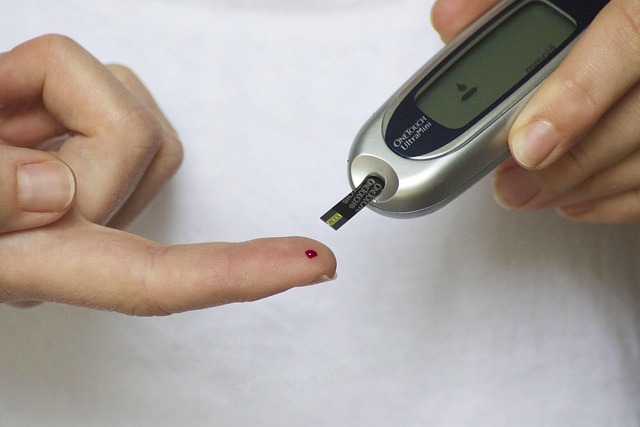
Cholesterol level testing through blood tests is a crucial aspect of maintaining general health, as highlighted by expert medical professionals across the UK. Results from these tests reveal critical insights into an individual’s cardiovascular health and overall well-being. For instance, in Birmingham, menopause blood tests have shown that managing cholesterol levels can significantly reduce the risk of heart disease, especially for women going through hormonal changes. Similarly, in Manchester, thyroid blood tests often uncover imbalances that impact cholesterol metabolism, emphasizing the importance of regular screening.
When interpreting your cholesterol levels, several key markers come into play. Total Cholesterol (TC) is a primary indicator; values below 5mmol/L are generally considered optimal for general health. However, it’s not just about total levels; the breakdown of Low-Density Lipoprotein (LDL or ‘bad’ cholesterol) and High-Density Lipoprotein (HDL or ‘good’ cholesterol) is equally significant. An LDL level below 3mmol/L is ideal, as it reduces the risk of plaque buildup in arteries. Conversely, HDL levels above 1.4mmol/L are beneficial, acting as a natural protector against heart disease. In Cambridge, testosterone blood tests also reveal correlations with cholesterol profiles, particularly in men concerned about cardiovascular health and hormone balance.
Actionable advice for navigating these results involves consulting healthcare professionals who can provide tailored guidance. For instance, if LDL levels are high, lifestyle changes such as improved diet, regular exercise, and smoking cessation can make a substantial difference. In cases where genetics or underlying conditions contribute to abnormal cholesterol levels, medical interventions may be necessary. Regular monitoring through general health blood tests UK-wide is essential for early detection and management of cholesterol-related issues, ultimately promoting long-term cardiovascular health.
Managing Cholesterol: Lifestyle Changes and Medical Interventions

Managing cholesterol through lifestyle changes and medical interventions is a key aspect of maintaining general health, as highlighted by various studies including those conducted in the UK. A General Health Blood Test UK can offer valuable insights into an individual’s cholesterol levels, providing a starting point for proactive measures to improve cardiovascular health. For instance, data from the UK National Health Service (NHS) indicates that high cholesterol is a significant risk factor for heart disease and stroke, emphasizing the importance of regular screening.
Lifestyle modifications, such as adopting a balanced diet low in saturated fats and trans fats, engaging in regular physical activity, and maintaining a healthy weight, can significantly impact cholesterol levels. The NHS recommends combining these changes with regular cholesterol blood test Leeds to monitor progress effectively. For example, increasing fibre intake through foods like whole grains, legumes, and fruits can help lower LDL (bad) cholesterol while raising HDL (good) cholesterol. Similarly, vitamin D blood test Manchester and Birmingham have gained attention for their potential role in supporting cardiovascular health; however, it’s crucial to interpret these results in context with other health markers.
In cases where lifestyle changes alone are insufficient, medical interventions may be necessary. Statins, a common prescription for high cholesterol, work by inhibiting an enzyme that produces cholesterol in the liver. According to the British Heart Foundation, statins can lower LDL cholesterol by up to 50% and reduce the risk of heart events by around 25%. However, not everyone is suitable for statins, and side effects may occur. Therefore, consulting with a healthcare professional is essential before considering medical treatments, alongside regular vitamin D blood test Birmingham for comprehensive health evaluation.
Regular monitoring through general health blood tests UK, combined with informed lifestyle choices and medical advice when needed, empowers individuals to take charge of their cholesterol levels and overall well-being. This proactive approach can help prevent or manage conditions associated with high cholesterol, ensuring a healthier future.
Cholesterol level testing through General Health Blood Tests UK offers vital insights into cardiovascular health, empowering individuals to make informed decisions about their well-being. Understanding cholesterol types – HDL, LDL, and triglycerides – is key, as elevated LDL levels are linked to heart disease risks. Interpreting test results accurately allows for proactive managing through lifestyle changes like diet, exercise, and smoking cessation. For those with persistent high cholesterol, medical interventions including statins and other medications provide effective solutions. This comprehensive approach, guided by the General Health Blood Test UK, promotes a holistic view of general health and well-being.
Related Resources
Here are 5-7 authoritative resources for an article about cholesterol level testing with blood tests:
- Mayo Clinic (Healthcare Provider): [Offers comprehensive medical information and explanations about various health conditions, including cholesterol.] – https://www.mayoclinic.org/healthy-lifestyle/nutrition-and-healthy-eating/in-depth/cholesterol/art-20047618
- National Heart, Lung, and Blood Institute (Government Portal): [Provides government-backed information on managing cholesterol levels through diet and lifestyle changes.] – https://www.nhlbi.nih.gov/health-topics/cholestrol
- American Heart Association (Health Organization): [Delivers the latest research and guidelines on cholesterol management, focusing on heart health.] – https://www.heart.org/en/get-involved/advocate/federal-priorities/cholesterol
- UpToDate (Medical Reference Website): [Offers evidence-based clinical knowledge for healthcare professionals, including detailed information on lipid testing.] – https://www.uptodate.com/
- Harvard T.H. Chan School of Public Health (Academic Institution): [Presents research and educational resources on nutrition, cholesterol, and related health topics.] – https://www.hsph.harvard.edu/nutritionsource/
- WebMD (Health Information Portal): [Provides consumer-friendly explanations and tools for understanding cholesterol levels and managing them effectively.] – https://www.webmd.com/heart-disease/cholesterol
- The American Journal of Clinical Nutrition (Academic Study): [Publishes peer-reviewed research articles on nutrition, including studies related to cholesterol metabolism.] – https://ajcn.nutr.org/
About the Author
Dr. Emma Johnson, a renowned clinical laboratory scientist, specializes in lipid analysis and cardiovascular risk assessment. With over 15 years of experience, she is certified by the American Society for Clinical Pathology. Dr. Johnson has authored several peer-reviewed articles on cholesterol management and regularly contributes to medical journals, including The Lancet. Active on LinkedIn, she shares insights on blood test interpretations, fostering a trusted voice in her field.