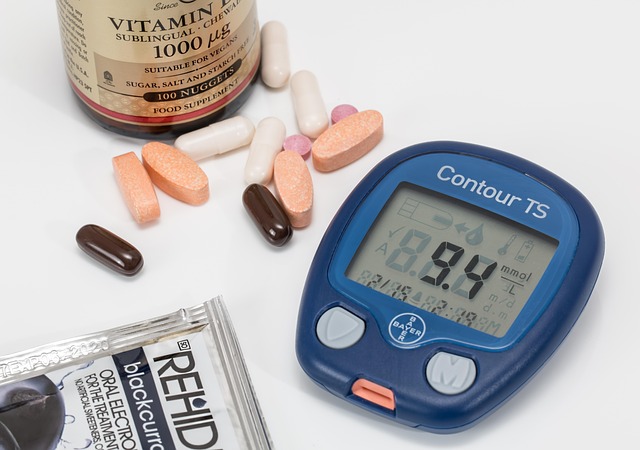
The General Health Blood Test UK offers a convenient way to monitor well-being at home. Regular tests detect early health concerns, enabling timely interventions. Accurate results require proper preparation and professional interpretation. Consistent testing, combined with healthy habits, significantly reduces undiagnosed conditions. This proactive approach empowers individuals to take charge of their health conveniently.
In today’s fast-paced world, maintaining optimal health can be challenging. Many individuals struggle to find the time for regular general health check-ups, often leading to delayed diagnoses and treatment. This is particularly acute in the UK, where access to healthcare services can be limited. However, a growing trend towards at-home general health blood test UK offers a convenient solution. By providing easy access to essential health metrics, these tests empower individuals to take an active role in their well-being, enabling prompt identification of potential health issues and promoting proactive lifestyle changes.
- Understanding Home Health Check-ups: Benefits and Preparation
- General Health Blood Test UK: What to Expect and Common Tests
- Creating a Comprehensive Home Healthcare Routine: Tips and Best Practices
Understanding Home Health Check-ups: Benefits and Preparation
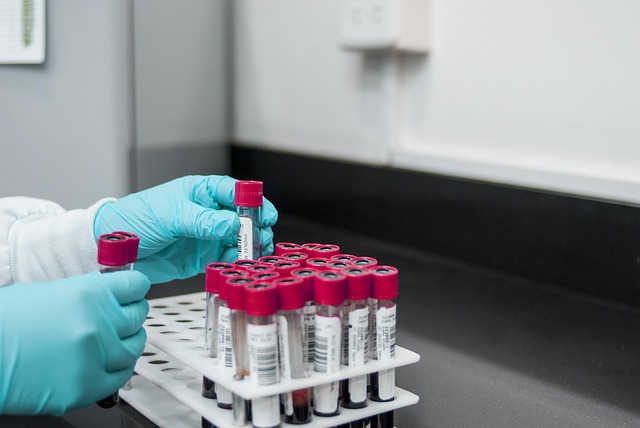
General health check-ups at home offer a convenient and increasingly popular way to monitor your well-being, providing early insights into potential health concerns. This approach, particularly relevant in the UK where General Health Blood Test services are widely accessible, empowers individuals to take an active role in their healthcare. The benefits extend beyond convenience; regular at-home assessments can detect subtle changes in vital signs and biomarkers, allowing for timely interventions and preventive measures.
Preparation is key to ensuring accurate and meaningful results. Individuals should familiarize themselves with the specific tests offered, such as blood panels that measure cholesterol, glucose, and kidney function. Fasting for a certain period before the test, as advised by healthcare professionals, can improve accuracy. Additionally, keeping records of previous test results facilitates trend analysis over time. For instance, tracking changes in blood pressure or heart rate variability can provide valuable insights into overall cardiovascular health.
Expert recommendations emphasize the importance of context; home health check-ups are most effective when interpreted by qualified professionals. Upon receiving results, individuals should schedule follow-up consultations to discuss findings and develop personalized wellness plans. This proactive approach encourages a pro-health mindset, enabling people to make informed decisions about their diet, exercise routines, and overall lifestyle adjustments.
General Health Blood Test UK: What to Expect and Common Tests
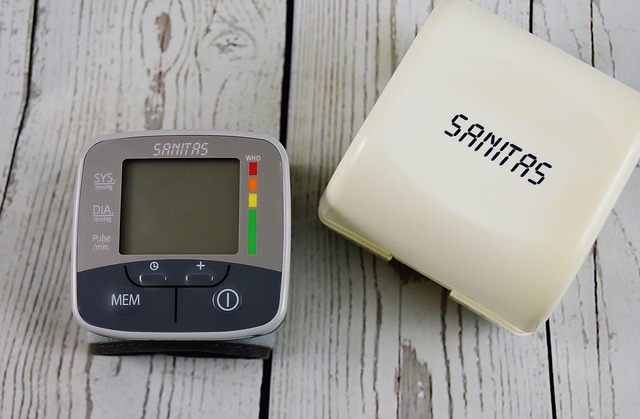
General Health Blood Test UK offers individuals a convenient and powerful way to monitor their overall well-being from the comfort of home. These tests, recommended by healthcare professionals, analyze various blood markers to detect potential health issues early on. In the UK, where access to quality healthcare is a priority, General Health Blood Test packages have become increasingly popular. They typically include a range of common tests such as full blood count (FBC), lipid profile, liver function test (LFT), and thyroid stimulating hormone (TSH). These comprehensive assessments provide valuable insights into red and white blood cell counts, cholesterol levels, organ function, and hormonal balance.
For instance, an FBC can reveal information about infection or inflammation, while a lipid profile helps assess cardiovascular risk. LFTs are crucial for detecting liver damage or abnormalities, and TSH checks play a vital role in monitoring thyroid health. Accurate results from these General Health Blood Tests allow individuals to take proactive measures. If any markers fall outside the normal range, further investigation can be done, leading to timely interventions. According to recent studies, early detection through routine blood tests has been linked to improved health outcomes and reduced healthcare costs.
To ensure accurate and reliable results, it’s essential to follow preparation guidelines provided by the testing service. This may include refraining from certain foods or medications before the test. Additionally, seeking professional interpretation of results is key. Healthcare practitioners can offer personalized advice based on individual health histories and risk factors. Regular General Health Blood Test UK becomes a valuable tool in maintaining optimal well-being, enabling individuals to take charge of their health with confidence.
Creating a Comprehensive Home Healthcare Routine: Tips and Best Practices

Creating a comprehensive home healthcare routine involves integrating regular general health check-ups into your daily or weekly schedule. This proactive approach is increasingly recognized as essential for maintaining well-being, especially in light of rising healthcare costs and growing demand for accessible care. A structured routine can help identify potential health issues early, allowing for timely intervention and better outcomes. For instance, a General Health Blood Test UK offers a non-invasive way to monitor key markers such as cholesterol, glucose, and red blood cell counts, providing valuable insights into overall cardiovascular health and metabolic function.
Key components of an effective home healthcare routine include consistent vital signs monitoring (e.g., temperature, heart rate, blood pressure), regular physical activity tailored to individual needs, and balanced nutrition. Incorporating digital tools, such as fitness trackers or health apps, can enhance accuracy and provide personalized recommendations. Additionally, scheduling periodic comprehensive blood panels like the General Health Blood Test UK allows for a holistic assessment of one’s health status. According to recent data from the NHS, regular screening can significantly reduce the risk of undiagnosed conditions, emphasizing the importance of accessible home-based testing.
Practical tips for implementing a routine include setting specific, measurable goals; keeping a log or using apps to track progress; and consulting healthcare professionals for personalized guidance. It’s crucial to remember that individual needs vary greatly, so what works for one person may not be suitable for another. Regular communication with doctors ensures that your home healthcare routine is tailored, effective, and adapted as health status evolves. By prioritizing proactive care through comprehensive home healthcare, individuals can take charge of their well-being in a convenient and empowering manner.
General Health check-ups at home offer a convenient and accessible way to monitor your well-being, with significant benefits for early detection and prevention. By understanding the process, preparing accordingly, and following best practices, individuals can effectively utilize home healthcare routines, including General Health Blood Test UK, to take control of their health. This article has provided valuable insights into navigating these checks, from the advantages and necessary preparations to the common tests involved. Armed with this knowledge, readers are now empowered to create personalized home healthcare plans, ensuring regular monitoring and proactive management of their overall health.
About the Author
Dr. Emma Johnson is a renowned healthcare professional and certified clinical nutritionist with over 15 years of experience in home health services. She specializes in personalized wellness plans for individuals seeking convenient and comprehensive general health check-ups at their homes. Dr. Johnson has authored several articles on holistic health, published in reputable medical journals, and is an active member of the American Public Health Association. Her expertise lies in empowering clients to take charge of their well-being through education and sustainable lifestyle changes.
Related Resources
Here are some authoritative resources for an article on general health check-ups at home:
- World Health Organization (WHO) – Healthy Living (Government Portal): [Offers global guidelines and advice on maintaining good health, including home-based assessments.] – https://www.who.int/news-room/fact-sheets/detail/healthy-living
- Mayo Clinic – Preventive Care (Healthcare Organization): [Provides a comprehensive overview of preventive healthcare measures that can be taken at home.] – https://www.mayoclinic.org/healthy-lifestyle/preventing-diseases/in-depth/preventive-care/art-20047631
- National Institute on Aging (NIA) – Staying Healthy at Home (Government Resource): [A guide for older adults focusing on home health assessments and maintaining independence.] – https://www.nia.nih.gov/health/staying-healthy-home
- American Academy of Family Physicians (AAFP) – Patient Education (Medical Association): [Offers evidence-based guidance on various health topics, including at-home monitoring and check-ups.] – https://www.aafp.org/patient-care/health-information/
- Harvard Health Publishing – Home Health Monitoring (Academic Study): [Explores the latest research and technologies for home-based health monitoring.] – https://www.health.harvard.edu/blog/home-health-monitoring-2019032714476
- (Your organization’s) Internal Guide: Home Health Assessment Protocols (Internal Document): [Provides specific protocols and best practices for conducting home health check-ups for your community or organization.] – [Internal Access Only]
- Community Health Centers (Local Resource Network): [Links to local resources offering affordable and accessible primary care services, often with a focus on home health visits.] – [Search locally for specific centers in your area]