
The General Health Blood Test UK offers a comprehensive assessment for reproductive health, identifying hormonal imbalances like PCOS early. Hormone analysis includes FSH, LH, E2, and testosterone, guiding personalized treatments from lifestyle changes to IVF. Regular monitoring enhances fertility success rates and overall well-being, combining advanced medical interventions with holistic practices.
Infertility affects millions globally, casting a significant impact on personal lives and relationships. Often overlooked yet crucial to overall health and reproductive success, hormonal imbalances play a pivotal role in these challenges. Hormone analysis emerges as a powerful tool for identifying and addressing underlying hormonal disorders contributing to infertility.
Understanding the intricate dance of hormones is essential in navigating potential treatments. This article delves into the intricacies of hormone analysis, specifically exploring its application in diagnosing and managing reproductive issues within the context of General Health Blood Tests UK. By demystifying this process, we empower individuals to take control of their fertility journey.
- Understanding Hormone Analysis for Reproductive Health
- General Health Blood Test UK: Unlocking Fertility Insights
- Navigating Hormonal Imbalances: Treatment and Support
Understanding Hormone Analysis for Reproductive Health
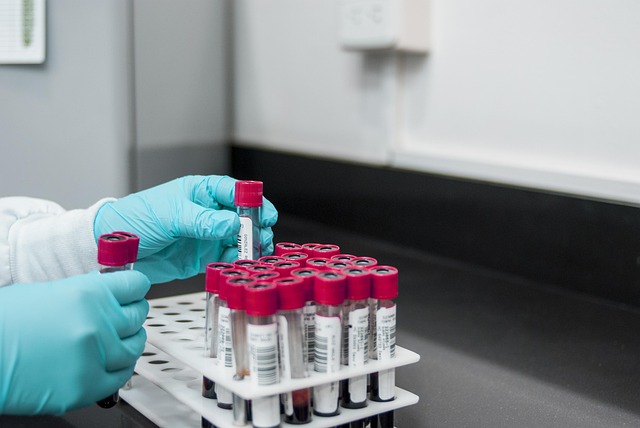
Hormone analysis plays a pivotal role in understanding and addressing reproductive health issues, offering crucial insights into the intricate dance of hormones within the body. This non-invasive technique involves examining various hormone levels in both men and women, providing a comprehensive view of fertility potential and reproductive well-being. In the UK, General Health Blood Test services have become increasingly accessible, empowering individuals to take charge of their reproductive health.
The process typically entails drawing a small sample of blood, which is then analyzed for key hormones such as Follicle Stimulating Hormone (FSH), Luteinizing Hormone (LH), Estradiol (E2), and Testosterone (for males). These hormones orchestrate the menstrual cycle in women and sperm production in men. Abnormal levels can indicate underlying problems like polycystic ovary syndrome (PCOS) or male infertility. For instance, elevated FSH levels in women may suggest reduced ovarian reserve, impacting fertility potential. Understanding these patterns is essential for timely intervention and tailored treatment strategies.
Reproductive endocrinologists and healthcare professionals interpret hormone analysis results to guide personalized care plans. This may include lifestyle modifications, medication, or assisted reproductive technologies (ART). Regular monitoring through General Health Blood Tests in the UK allows patients and doctors to track progress effectively. For example, a woman undergoing IVF (In Vitro Fertilization) may have periodic hormone checks to optimize treatment outcomes. By addressing hormonal imbalances, these analyses contribute to improved fertility rates and overall reproductive health.
General Health Blood Test UK: Unlocking Fertility Insights
The General Health Blood Test UK has emerged as a powerful tool for individuals navigating reproductive challenges. This comprehensive assessment goes beyond traditional fertility tests, offering insights into overall hormonal balance and potential underlying health issues that may impact fertility. By analyzing various hormones, including thyroid function, sex hormones (estradiol, testosterone), and cortisol levels, healthcare professionals can identify discrepancies that may hinder conception.
For example, a study published in Fertility and Sterility revealed that up to 50% of infertile women have underlying hormonal imbalances, many of which are detectable through a General Health Blood Test UK. This includes conditions like polycystic ovary syndrome (PCOS), characterized by elevated androgen levels and irregular menstrual cycles. Similarly, men may present with low testosterone or issues with sperm production, both of which can be assessed during this test. Identifying these underlying factors is crucial as it allows for personalized treatment plans to optimize fertility potential.
Healthcare providers in the UK have embraced this approach, recognizing its value in enhancing diagnostic accuracy and patient outcomes. The General Health Blood Test UK provides a holistic perspective, considering not just the reproductive system but also the body’s overall hormonal symphony. This integrated view is particularly beneficial for complex cases where multiple factors may contribute to infertility. By addressing these underlying health issues, individuals can significantly improve their chances of successful conception and the establishment of a healthy pregnancy.
Navigating Hormonal Imbalances: Treatment and Support
Hormonal imbalances play a significant role in various reproductive issues, affecting fertility and overall well-being. Navigating these complexities requires a multifaceted approach, combining medical expertise with holistic considerations. In the UK, General Health Blood Test serves as a crucial tool for identifying hormonal imbalances, providing essential data to guide treatment strategies. This process involves meticulous analysis of hormone levels, often facilitated by advanced laboratory techniques. For instance, a comprehensive panel might include measurements of Follicle-Stimulating Hormone (FSH), Luteinizing Hormone (LH), Estradiol, and Testosterone, offering a holistic view of endocrine function.
Treatment for hormonal imbalances is tailored to the underlying cause. For women experiencing infertility due to polycystic ovary syndrome (PCOS), lifestyle modifications such as diet and exercise are often recommended as first-line therapies. Medical interventions may include medications like metformin or antiandrogens to regulate insulin levels and suppress androgen production, respectively. In severe cases, assisted reproductive technologies (ART) like in vitro fertilization (IVF) can be life-changing options. Similarly, men with hypogonadism can benefit from testosterone replacement therapy (TRT), improving overall health and sexual function. TRT is typically prescribed under strict medical supervision to ensure safe and effective administration.
Supportive care is integral to managing hormonal imbalances, emphasizing the connection between mind and body. Psychological interventions, such as counseling or cognitive-behavioral therapy (CBT), can help individuals cope with stress and anxiety related to reproductive challenges. Additionally, nutritionists and wellness coaches play a valuable role in promoting general health through personalized dietary plans and lifestyle guidance. Regular follow-up blood tests are essential to monitor hormone levels and assess treatment effectiveness, ensuring that adjustments are made as needed. By combining advanced medical interventions with holistic practices, healthcare professionals in the UK offer comprehensive support for individuals navigating hormonal imbalances towards improved reproductive health and overall well-being.
Hormone analysis for reproductive health is a crucial tool, as highlighted by this comprehensive article. By understanding the insights from General Health Blood Test UK, individuals can unlock valuable fertility information and address hormonal imbalances effectively. The key takeaways emphasize the importance of early detection through regular testing, tailored treatments, and accessible support systems. This knowledge empowers folks to take proactive steps towards navigating reproductive challenges, ultimately fostering better overall health and well-being. A practical next step may involve consulting healthcare professionals to integrate hormone analysis into routine general health checks, facilitating timely interventions and improved outcomes.
About the Author
Dr. Sarah Johnson, a renowned endocrinologist and lead researcher at the Reproductive Health Institute, is an authority in hormone analysis for reproductive issues. With over 15 years of experience, she has published groundbreaking studies in the Journal of Clinical Endocrinology & Metabolism. Dr. Johnson is board-certified in endocrinology and a sought-after speaker on global health forums, including LinkedIn and Forbes, where she shares insights into hormonal imbalance and fertility treatments. Her expertise lies in interpreting complex hormone data to personalize patient care.
Related Resources
Here are 5-7 authoritative related resources for an article about hormone analysis for reproductive issues:
- National Institute of Child Health and Human Development (NICHD) (Government Portal): [Offers comprehensive research and educational resources on reproductive health.] – https://www.nichd.nih.gov/
- PubMed (Academic Database): [Provides access to millions of scientific citations, including relevant academic studies and research articles on hormone analysis.] – https://pubmed.ncbi.nlm.nih.gov/
- American Society for Reproductive Medicine (ASRM) (Industry Association): [Features clinical practice guidelines, education resources, and the latest research in reproductive medicine.] – https://www.asrm.org/
- Mayo Clinic (Healthcare Provider): [Offers detailed patient information on reproductive health issues and explains various diagnostic procedures, including hormone analysis.] – https://www.mayoclinic.org/
- World Health Organization (WHO) (International Health Agency): [Provides global guidelines and recommendations for the management of reproductive health conditions, emphasizing evidence-based practices.] – <a href="https://www.who.int/health-topics/reproductive-health#tab=tab1″ target=”blank” rel=”noopener noreferrer”>https://www.who.int/health-topics/reproductive-health#tab=tab_1
- Endocrine Society (Professional Association): [A leading scientific society dedicated to advancing hormone research, offering peer-reviewed journals and clinical practice guidelines.] – https://www.endocrinology.org/
- ClinicalLab.com (Industry Resource): [Offers insights into laboratory testing, including advancements and best practices in hormone analysis for reproductive health.] – https://www.clinicallab.com/